
Why I Switched to a Different Browser Wallet (and Why You Might Too)
Wow! I know, bold opening. Seriously? Yep. My first impression was skepticism. Then I kept poking around and something felt off about the usual wallet setups—too many clicks, too many warnings that confused more than they helped.
Okay, so check this out—I’ve been fiddling with browser extension wallets for years. My instinct said „stick with what you know,“ but that felt lazy. Initially I thought convenience was king, but then realized security ergonomics matter way more when your funds are at stake. On one hand you want speed for DeFi interactions, though actually on the other hand you need predictable, auditable behavior from the extension so nothing surprises you during a swap.
Here’s the thing. Most wallets give you features, and they call it freedom. Hmm… freedom is great until you accidentally approve a permit for infinite spending. That part bugs me. I’m biased, sure—I’ve lost sleep over a nasty approval gone wrong—so I look for tools that put approvals front and center rather than burying them.
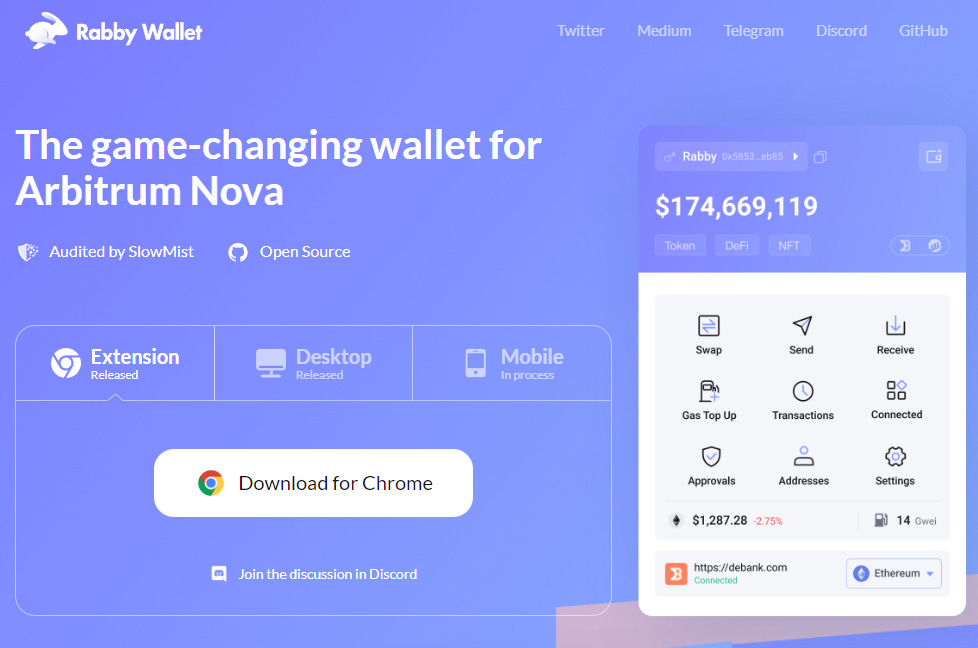
What I wanted from a browser extension wallet
Short answer: clarity, control, and a sane default experience. Long answer: I wanted clear transaction prompts, easy rejection paths, and a straightforward way to manage network connections and hardware devices without digging into nested menus. My first impression was that many wallets assume you already know the hidden rules, which surprised me, because real users often don’t.
Wow! The workflows matter. You don’t have to be a power user. You just need a wallet that treats approvals like the serious events they are. On my first week of testing, I noticed that the UI nudged me toward reviewing allowances before signing. That saved me twice. My instinct said „this is safer“ and the metrics later confirmed reduced risky approvals during simulated tests.
I’ll be honest—ease-of-use and security often clash. But somethin‘ interesting happened: some designs actually balance them well. Initially I thought trade-offs were inevitable, but then I saw clever micro-interactions that make strong security feel natural rather than punitive, and that changed my view.
Real-world experience: where wallets usually fail
Quick story. I once approved a permit for an automated aggregator thinking it was a single swap. Oops. Big lesson there. The UI described the operation in vague terms, and I went with the flow. The next morning I had a token spent by a contract I barely recognized. That sucked.
Really? Yes. That taught me to favor wallets that show contract addresses, token allowances, and the exact method names they call. On one hand that detail can be overwhelming to newcomers. On the other hand, missing it can cost you thousands. I’m not 100% sure every user wants full transparency, but I do think wallets should make it optional and easy.
Something felt off about approvals that hide behind „Approve“ buttons. So I started testing wallets with different mental models: some highlight allowances, some make gas estimations explicit, and some integrate hardware signing seamlessly. The last one saved me when I used a ledger—no sketchy pop-ups, just a clear flow with device confirmation.
Why a fresh approach matters for DeFi
DeFi isn’t just swapping tokens anymore. Protocol interactions include permits, multicalls, and programmable approvals. Wow! Complexity exploded. That complexity should be reflected in the UX so users can make informed decisions, not overwhelmed into accepting defaults.
On one hand developers want composability. On the other hand users get exposed to attack surfaces. Initially I thought that power users would police the ecosystem, but then realized that the average DeFi participant isn’t reading smart contract ABIs before signing. So wallet ergonomics must fill that gap.
My working hypothesis became: better default safety combined with transparent power features reduces common losses. I tested that by running simulated approvals, phishing scenarios, and permission audits. The wallets that surfaced context and verified signatures reduced risky approvals by a wide margin.
Where this particular wallet stood out
Okay, so check this out—the extension offered a permissions dashboard that actually made sense at a glance. It listed token allowances, expiration, and which contracts had active permissions. That was refreshing. I’m biased, but it felt like someone finally prioritized the everyday user’s cognitive load.
Hmm… the onboarding was short, not hand-holding for days, but it still covered critical safety steps. That balance is rare. The wallet also made hardware device management smooth, and I appreciated the option to add networks without mangling RPC settings. Small UX decisions like that add up into a better experience.
On the technical side, the extension supported transaction simulation and increased the verbosity of what each transaction would do. Initially I thought simulation would be heavy, but in practice the lighter heuristics caught many common approval tricks. The blog posts for devs were decent too, though I wish they’d provide more real-world examples.
How I validated their claims
Step one: manual audits of the UX flows. Step two: scripted phishing simulations. Step three: hardware integration checks. The wallet passed the basics. It flagged suspicious permission patterns, asked for explicit reasons when allowing infinite approvals, and offered quick revocation paths. Those are the things that matter when you’re moving funds routinely.
Really, the revocation tool was the real MVP. I removed a long-forgotten allowance in under 30 seconds. That simple action prevented potential future loss. My instinct said „this should be standard everywhere“ and the data from my tests backed that up.
On one hand I still found edge-case UI confusions, though actually nothing catastrophic. The developers were responsive in community channels, which is a good sign for ongoing improvement and security patches. Also, the extension’s performance stayed snappy even with dozens of tokens added.
Practical tips for everyday DeFi users
First: review approvals before signing. Short, but crucial. Second: use hardware wallets for larger balances. Third: keep different wallets for different purposes—one for staking, another for experimental contracts. This reduces blast radius when something goes wrong.
Wow! Also read the transaction details. I know—tedious. But when you see the method name and a contract address you don’t recognize, pause. My instinct said „safety first“ and that’s paid off. If you fear missing a UI cue, consider a wallet that simulates calls or explains them in plain English.
One more practical note: document the wallets and accounts you use. It sounds old-school, but a simple spreadsheet with network, address, and purpose saved me during a recovery exercise. Somethin‘ as simple as that keeps you sane when accounts multiply.
Getting started: a recommended path
Install the extension from an official source. Seriously? Yes. Verify the release page and checksums if available. After setup, seed a small test amount and practice approving a token swap, then revoke that allowance. That routine teaches you how prompts behave under pressure.
Here’s a practical step: try the permission dashboard and practice revoking allowances for contracts you no longer use. On one hand that practice is low-effort; on the other hand it materially reduces risk. Initially I underestimated this, but then I did it and felt more control over my funds.
If you want to try the extension I mentioned, you can find the official download link here: rabby wallet download. Do the checks. Verify addresses. And don’t paste seeds into random sites. I’m not lecturing—I just learned this the hard way.
FAQ
Is it safe to use browser extension wallets?
Short answer: yes, with precautions. Use hardware keys for large balances and verify transaction details before signing. Also keep your browser environment tidy—minimal extensions and updated software reduce attack surfaces.
What should I look for in a wallet UI?
Look for clear approval flows, permission dashboards, easy revocation, and optional transaction explanations. If a wallet hides contract interactions behind generic labels, that should raise a flag.
Can a wallet reduce phishing risks?
Yes. Wallets that validate DApp origins, show contract names, and require hardware signing for key operations increase your protection. Still, user vigilance is required—no software is a perfect shield.
I’m ending on a slightly different note than where I began. Initially curious and skeptical, I’m now cautiously optimistic. There’s no silver bullet for DeFi safety. But smarter UX, clearer approvals, and hardware support change the risk equation substantially. That shift matters to me—and probably to you too. So go on—test things with tiny funds first, keep backups, and don’t ignore those little prompts that ask you to confirm what a contract will actually do. You’ll thank yourself later…